ISLAMABAD – A major diplomatic breakthrough between the US and Iran ignited fresh hopes of major relief for Pakistani consumers, with politicians and journalists predicting a big cut in fuel prices if stability returns to global energy markets after reopening of Strait of Hormuz.
Journalist and analyst Hassan Ayub claimed that petrol prices in Pakistan could fall by as much as Rs100 per litre if international oil prices continue their downward trajectory amid easing tensions in Middle East. According to him, cheaper fuel would not only provide direct relief to motorists but could also trigger a broader decline in inflation, reducing the cost of living for millions of Pakistanis.
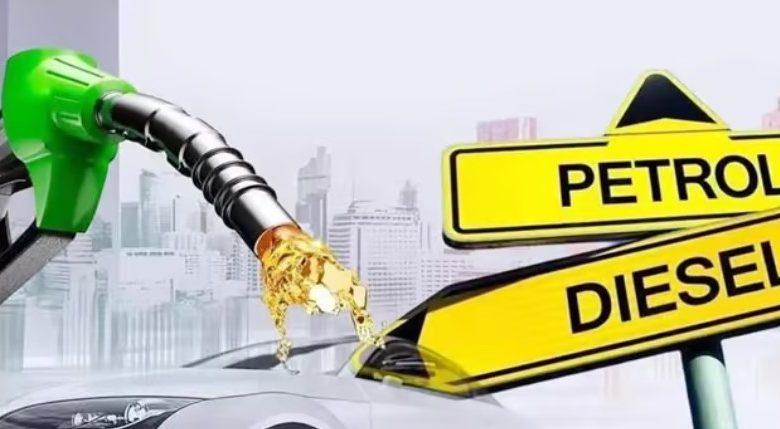
The optimism comes as petroleum prices remain at historic highs, with petrol currently selling at Rs373.78 per litre and diesel at Rs378.78 per litre.
Adding to expectations of relief, Punjab Information Minister Azma Bukhari said that the reopening of the Strait of Hormuz would likely push petroleum prices lower. She assured that any reduction in fuel costs would be passed on to the public. She defended the Punjab government’s latest budget, describing it as a balanced and tax-free financial plan. She revealed that the Punjab Revenue Authority (PRA) collected 34 percent more revenue than the previous year, calling it evidence of improved financial management.
The minister made it clear that while no new taxes have been imposed, large businesses currently outside the tax net will be required to pay their due share. She said the government is focusing on expanding compliance rather than burdening existing taxpayers.
Oil prices declined after news of peace agreement, showing expectations that tensions in region could ease. However, crude prices remain more than 10 percent above pre-conflict levels, highlighting the lasting impact of disruptions to global energy supplies.
For now, all eyes remain on global oil markets. If international crude prices continue to retreat and regional tensions remain under control, Pakistani consumers could soon see the fuel relief they have been waiting for, potentially setting the stage for one of the biggest petroleum price reductions in recent years.