
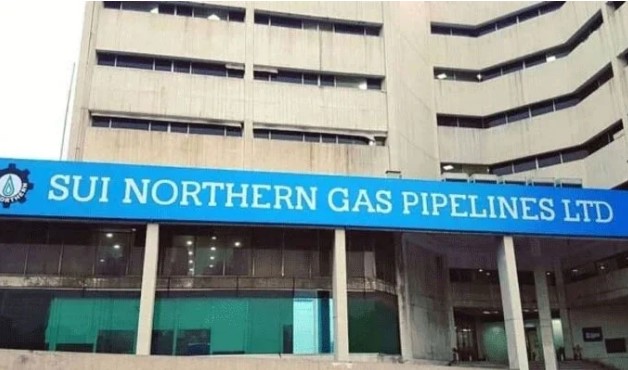
LAHORE: The Sui Northern Gas Pipelines Limited (SNGPL) has issued a new gas load-shedding schedule for gas consumers in Punjab and Khyber Pakhtunkhwa for the winter months from December to February. Officials advised households to prepare breakfast and other meals during the specified supply hours.
According to SNGPL officials, gas will now be available intermittently in three daily time slots. Supply will be provided from 5:30am to 8:30am, from 11:30am to 1:30pm, and again from 5:30pm to 8:30pm.
Officials said no load-shedding is being carried out for the industrial sector. They added that gas demand has “increased many times over” in winter, but insisted gas is present in the system and there is no shortage.
SNGPL further cautioned that gas is expensive and urged consumers to use it according to their needs.
The announcement comes against the backdrop of recent federal directions on winter gas management.
On November 24, Minister for Petroleum Ali Pervez Malik chaired a meeting on seasonal gas load management and directed gas utilities to ensure uninterrupted supply to consumers during winter, saying all necessary steps must be taken to facilitate the public and that gas companies had been issued the required instructions.
According to an official statement, the managing directors of SNGPL and Sui Southern Gas Company (SSGC) briefed the minister on gas availability across the country, and the meeting also reviewed the issuance of RLNG domestic connections.
Malik noted that domestic gas supply this year was “significantly better” compared to last winter, while SNGPL’s managing director told the meeting that consumers were receiving gas not only during mealtimes but also from 5am to 10pm.
Malik said the improvement in supply had been made with public convenience as the key priority. Officials from the Petroleum Division, SNGPL, SSGC and the Oil and Gas Regulatory Authority (OGRA) attended the meeting.
Gas load-shedding in recent years has become a major political and social concern, with household supply repeatedly flagged as a key issue. Pakistan holds 0.4% of global gas reserves but accounts for 1.1% of global consumption, according to Worldometer’s country reserves data.
Gas is distributed through pipelines to households, which claim 50% of available supplies, followed by the fertiliser sector, independent power plants and industrial and CNG sectors.
The previous month, the federal government also formally launched the process to provide Regasified Liquefied Natural Gas (RLNG) connections to domestic consumers across the country, marking the resumption of new household gas supplies after a four-year suspension.
The ban on new gas connections, imposed in 2021 due to rapidly depleting natural gas reserves, had forced many households to shift to more expensive alternatives such as Liquefied Petroleum Gas (LPG) for cooking and heating.