
WASHINGTON – The conflict between US and Iran, with reports claiming the war is costing around $1 billion per day. It shows how huge military spending and geopolitical tensions are draining resources, disrupting markets and shipping, and affecting people and economies, turning an abstract financial figure into a broader narrative about the human and economic impact of war.
The brutal conflict between US, Iran, and Israel erupted into terrifying showdown, now stretching into its sixth day with relentless missile exchanges. While major casualties have yet to be confirmed, the region is in chaos. A deadly airstrike in Lebanon claimed three lives, adding to the mounting human toll. The United Nations High Commissioner for Refugees warns that tens of thousands have fled their homes, leaving entire communities shattered.
Shipping lanes in the critical Strait of Hormuz, a lifeline for global oil trade, are paralyzed, with an estimated 20,000 ships stranded. The economic implications are staggering, as energy prices surge and supply chains face unprecedented disruption.
In Qatar, authorities have initiated emergency evacuations near the US embassy in Doha, a stark reminder that the conflict could expand beyond its current borders.
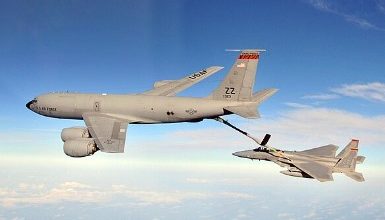
Military operations ordered by US leadership intensified, with devastating losses reported. Three F-15E Strike Eagle jets were downed in Kuwait, each valued at roughly $90 million, pushing minimum financial loss to nearly $300 million. Analysts warn that transporting troops and equipment to the region cost an additional $630 million even before the first strikes. The military claims to have hit more than 1,250 targets in Iran and deployed a vast arsenal of weapons, underscoring the scale of the operation.
The financial drain is accelerating at an alarming rate. Aircraft carriers stationed in the region reportedly cost about $13 million per day to operate, while precision munitions such as Tomahawk missiles, priced at $2 million each, are being used in large numbers. High-end bombers like the B-2, costing up to $150,000 per flight hour, further inflate expenses. Experts estimate that the conflict could ultimately cost tens of billions of dollars, with projections from the Penn Wharton Budget Model suggesting a price tag between $40 billion and $95 billion depending on duration.
In bigger picture, military operations in the region were draining resources. Costs of War project estimates annual expenditures of billions related to Middle Eastern deployments. Similar operations in Venezuela have added further financial strain, with analysts noting a global pattern of costly military commitments.
The economic fallout is already being felt in US. Rising oil prices threaten to fuel inflation and increase cost of everyday goods. Stock markets initially plunged in response to the strikes before partially recovering, but analysts caution that prolonged conflict could trigger a deeper economic crisis.
Human suffering remains at the heart of the tragedy. Casualties have been reported across the Middle East, including deaths in United Arab Emirates and Oman. More than 500 casualties in Iran and the loss of at least six U.S. service members underscore the devastating human cost, one that cannot be measured in dollars alone.